Metal Ceiling Tile
Strength in Structure. Beauty in Design.
Strength in Structure. Beauty in Design.
At NORKA, we redefine architectural ceilings through
precision-engineered metal systems that unite durability,
performance, and refined aesthetics.
Our Metal Ceiling Tiles are designed to deliver exceptional quality,
visual harmony, and superior resistance to time, humidity, and
temperature variations.
With versatile systems and finishes, NORKA metal ceilings provide
the perfect balance between engineering functionality and
architectural sophistication.
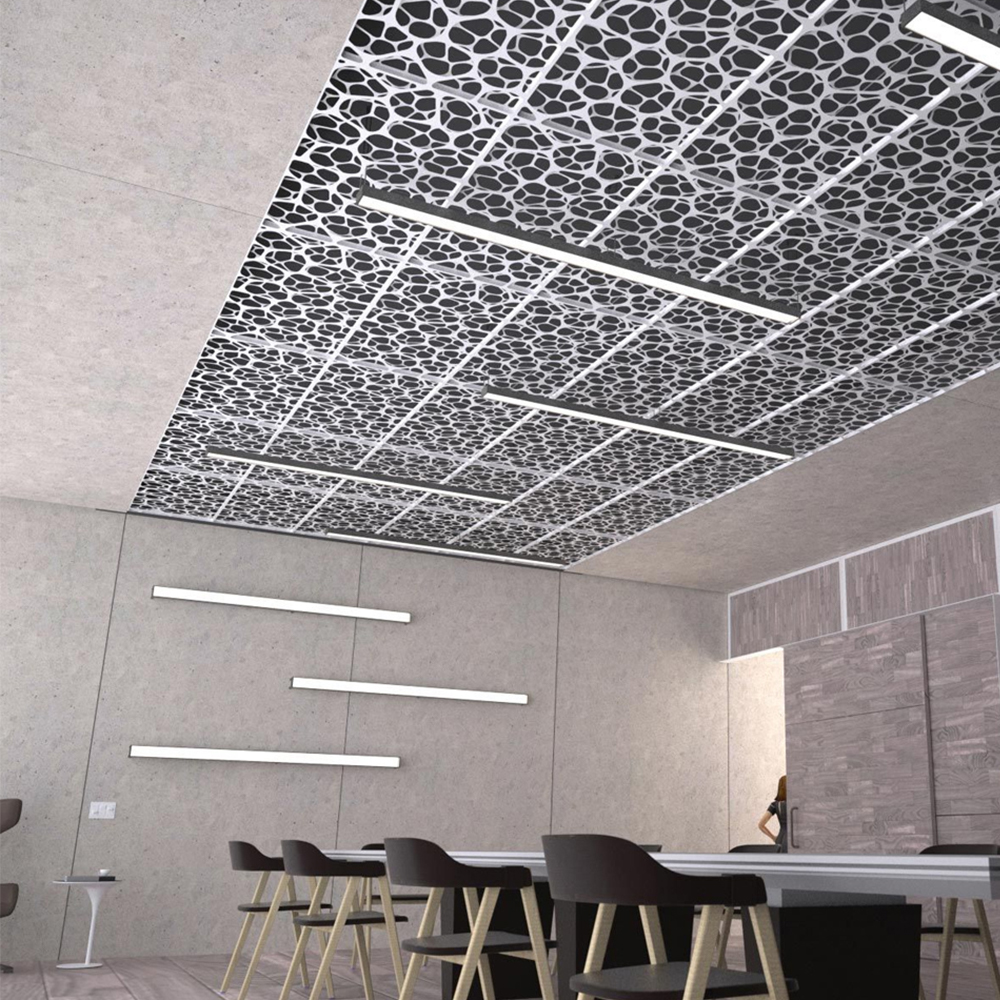
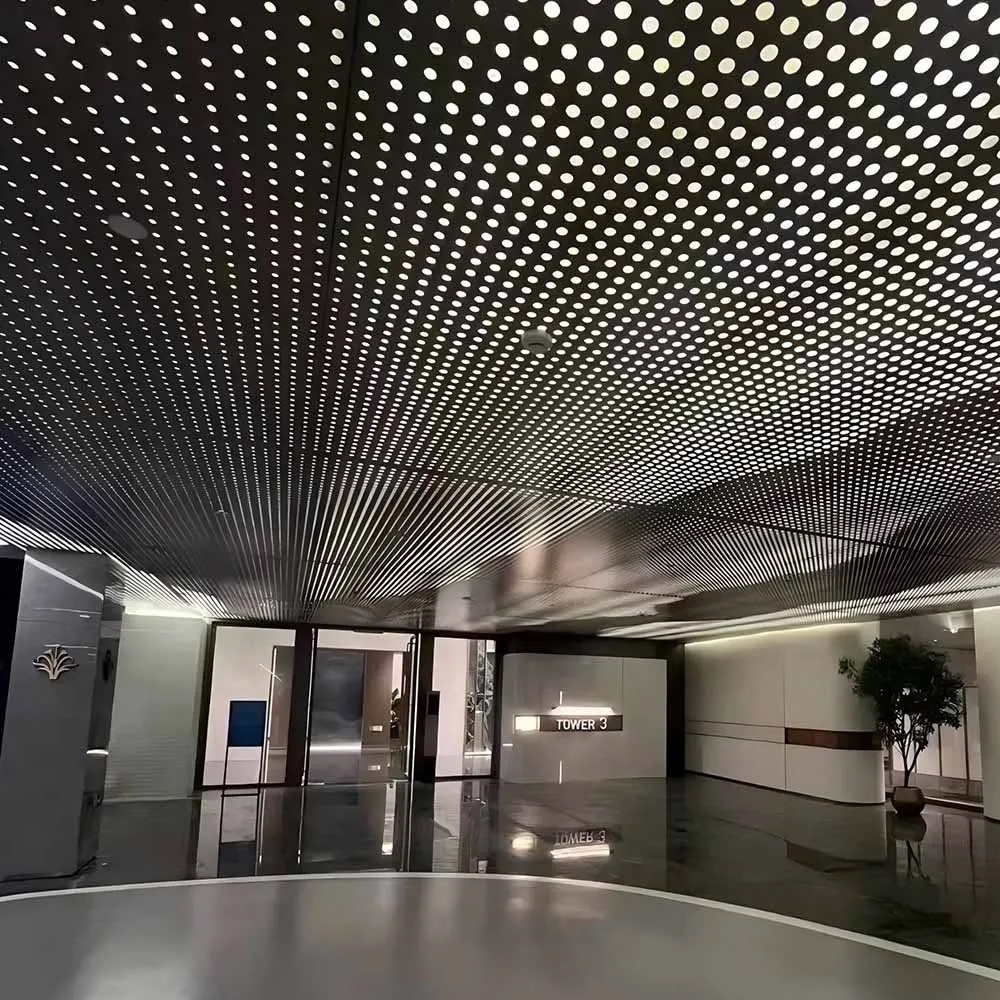
Metal ceilings are innovative architectural elements made from finished metal plates, often designed with intricate patterns and textures. These ceilings are crafted using durable materials such as aluminum, steel, or galvanized iron, making them a popular choice for non-residential buildings, including offices, hospitals, shopping malls, and airports. Their versatility, strength, and aesthetic appeal make them a superior choice for modern construction projects.
• Manufactured with high-grade aluminum and galvanized steel
• Resistant to fire, corrosion, and deformation
• Compatible with HVAC, lighting, and acoustic integrations
• Modular design for easy installation and maintenance
• Wide range of patterns, perforations, and finishes

Metal ceilings are renowned for their exceptional strength. They fall under the suspended ceiling category and surpass traditional materials like gypsum or wood in terms of durability. Their robust composition ensures a longer lifespan, even in high-traffic or high-humidity environments.
Unlike other ceiling materials, metal ceilings are impervious to moisture, eliminating concerns of rotting, cracking, or warping. This resistance makes them particularly suitable for areas prone to humidity or water exposure, such as airports or hospitals.
Metal ceilings are available in a range of finishes to suit diverse aesthetic requirements:
The finishes can be applied through various methods:
Key factors to consider when choosing metal ceilings include:
Metal ceilings can be installed using various systems depending on the design and functional needs:

There are different types of metal ceilings. The various designs may lead to other types based on their fastening mechanism, purpose, or aesthetic form. Interior designers or architects can utilize them based on design or performance requirements.

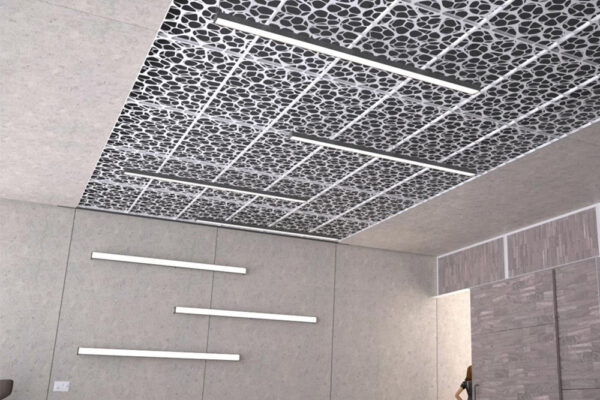
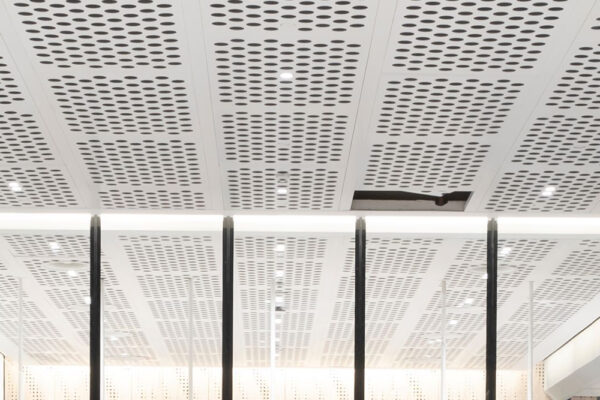
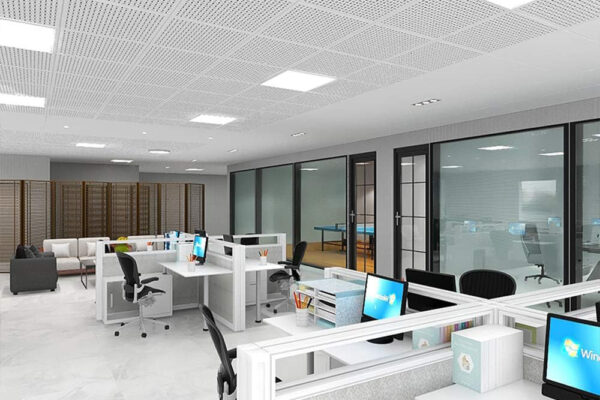
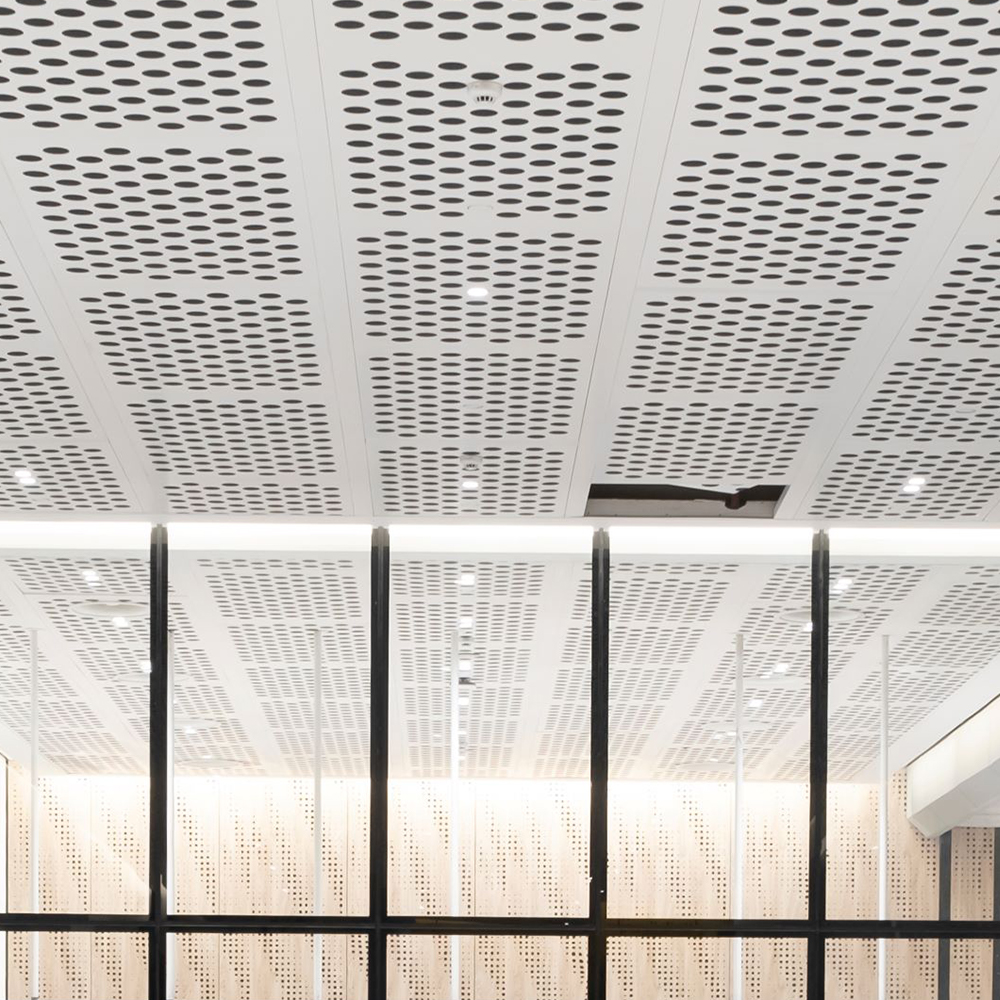
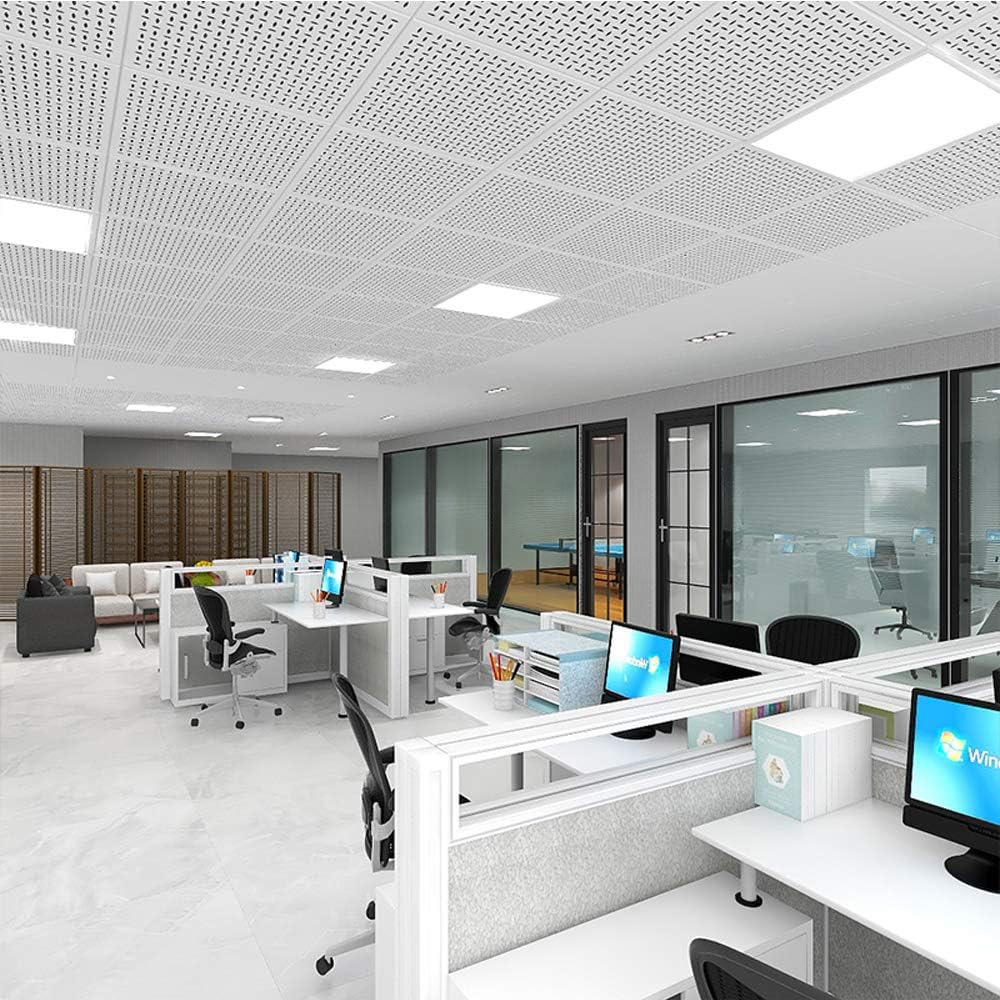
These are common in office settings as they provide a sleek and functional look that enhances focus rather than curiosity in the dwellers. Typically, these are designed with the lay-in or drop-in configuration and often come with acoustic dampening properties. Interior designers can use mix-and-match patterns to create bespoke patterns.
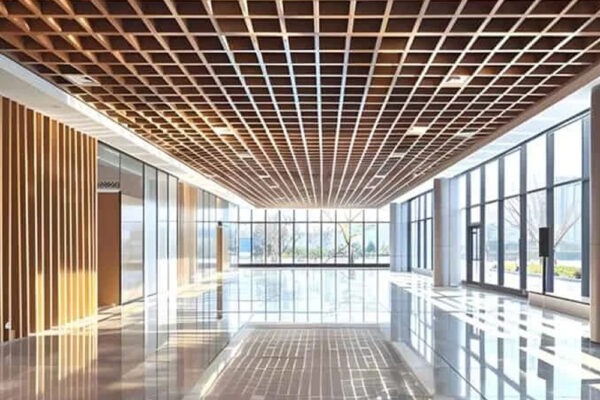
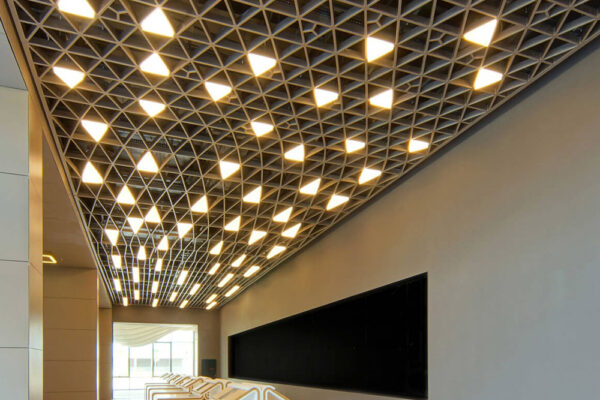
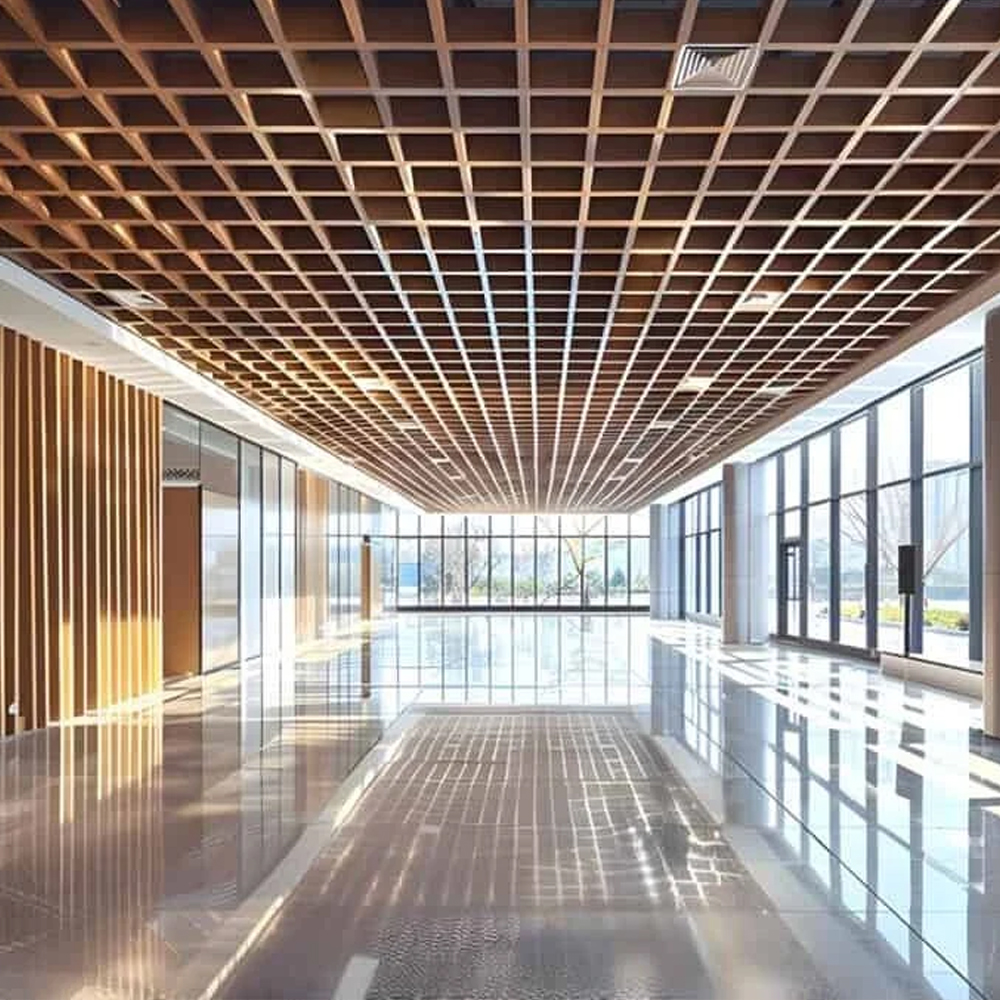
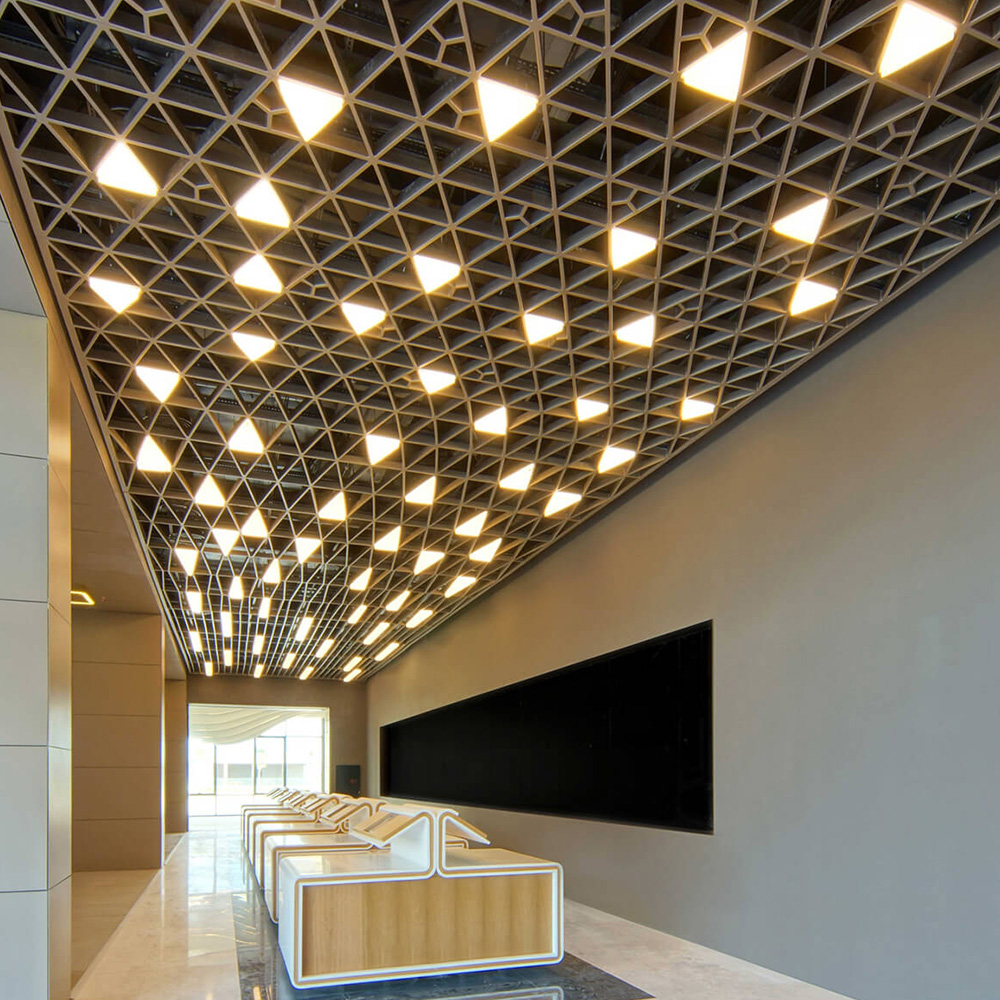
The modern interiors that require an open environment while having the sophistication that speaks art will often feature an open cell ceiling. These are also metal ceiling systems that offer 90% free area grids, typically between 50-200mm cells. These geometric patterns can mask sprinklers while still ensuring efficient spray in case of fire. The ventilation and free air movements have a refreshing impact on visitors or residents, creating a stress-free environment. To enhance comfort, installing acoustic-damping fabric behind the ceiling can result in a quiet environment.
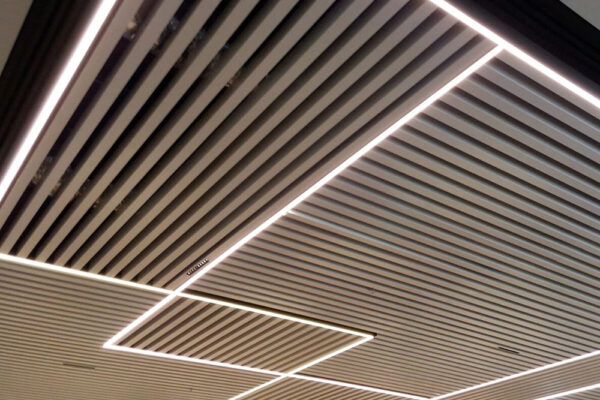
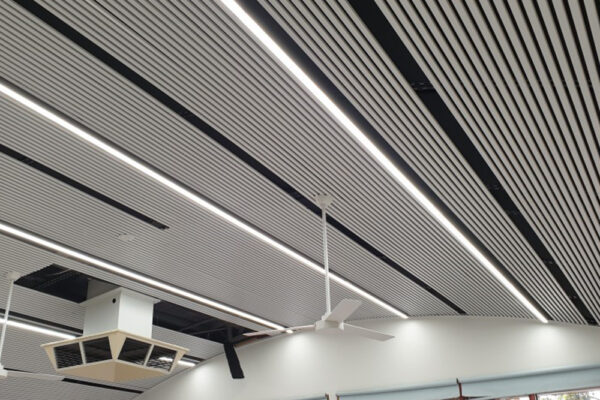
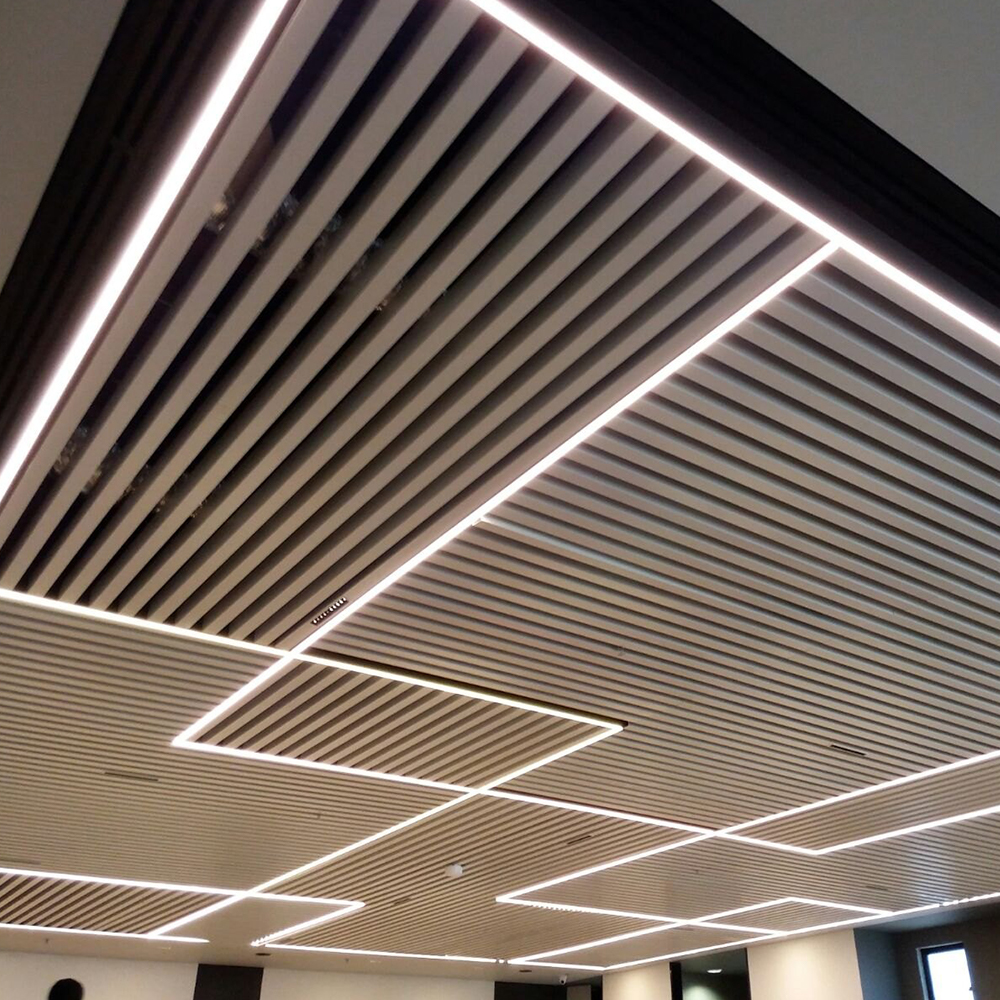
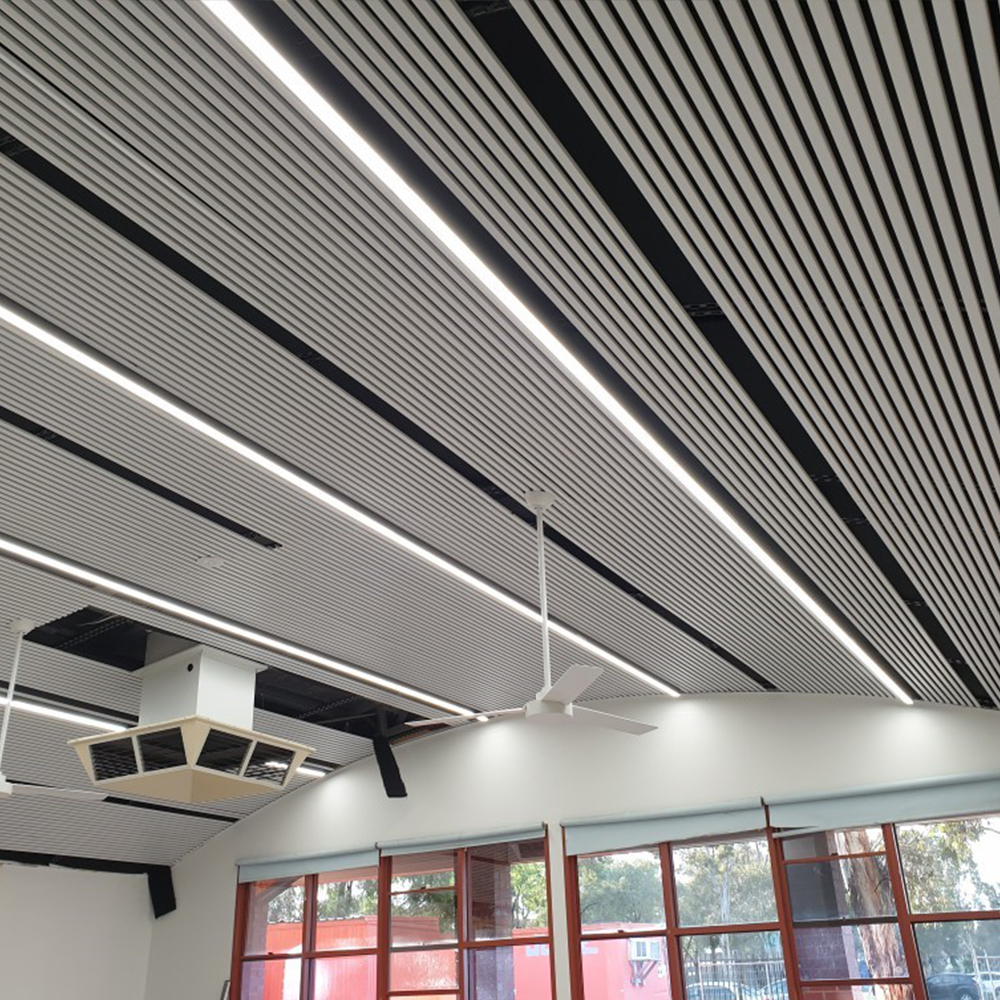
For interior designs that need a more open environment, one can opt for baffle ceilings. These are typically vertical blades with 50-300mm spacing to create a visually stunning interior. Having a more open space allows the movement of air, reducing cooling loads by 20% through passive cooling. Moreover, utilizing AI models, these ceilings can reduce acoustic noise (0.7NRC). Their linear design can add to the dynamics of environments of atriums and open offices.
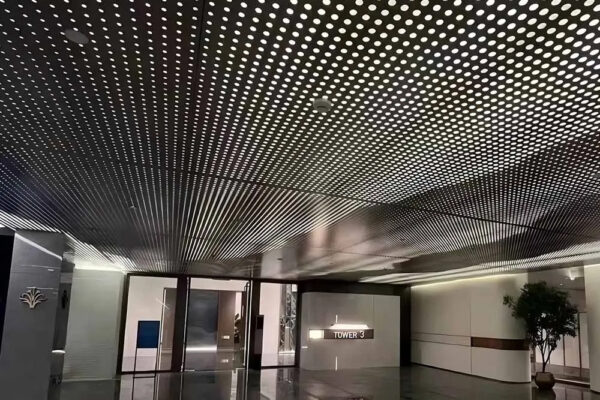
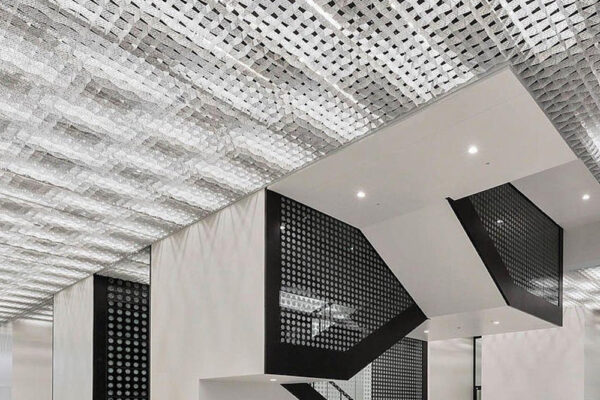
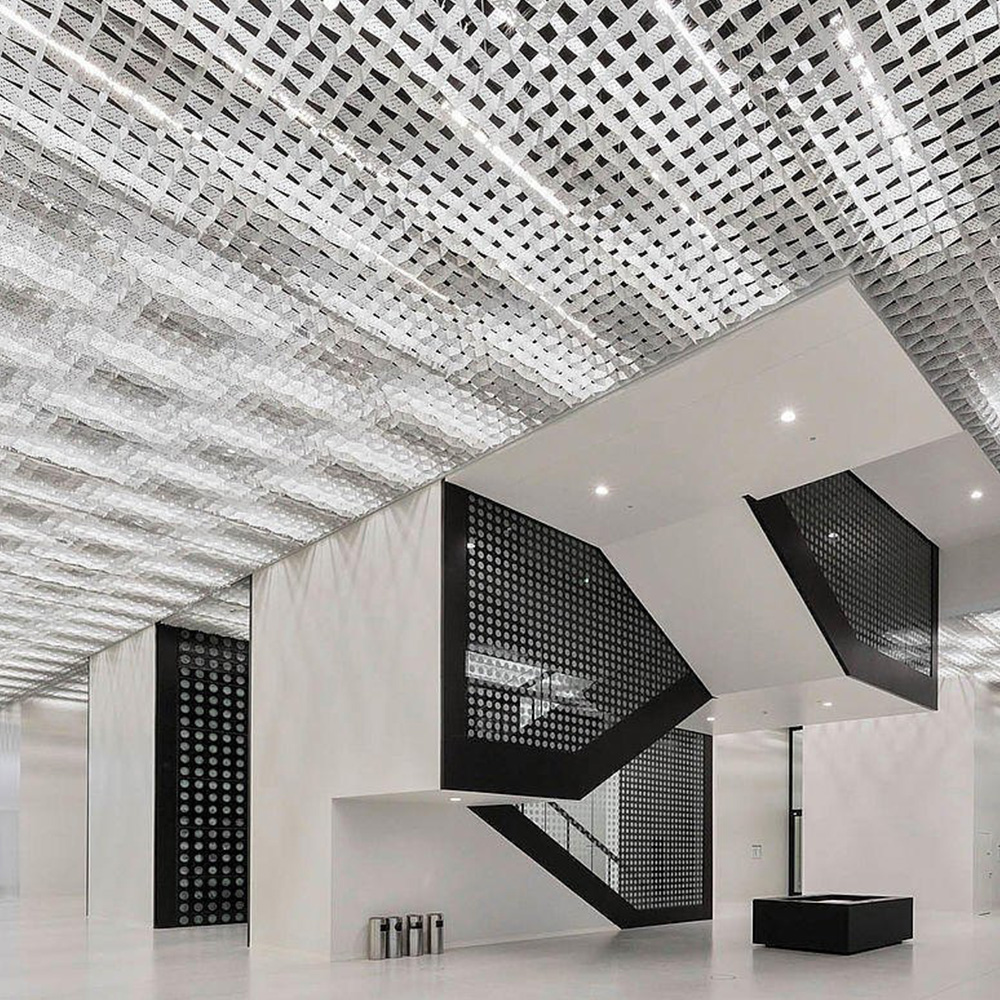
A metal mesh ceiling is another way to promote a more open environment. It conceals the clutter of HVAC, electrical, and plumbing components while still ensuring visibility with 40-70% open area. The semi-transparent design adds depth and speaks modern aesthetics, ideal for retail or super stores. In these applications, they can also offer efficient smoke extraction through compliance with EN 12101-1. Aesthetically, the airy visuals reduce claustrophobia, uplifting high-traffic spaces.
These are long linear strips of metal that can be perforated or plain, depending on the space requirement. These incorporate torsion springs to ensure that there is no gap between adjacent strips. Due to their design, they often come with self-healing coatings that can last up to 25 years. Their plain surface and gapless design allow 95% light reflection, brightening up hotel corridors. Moreover, using ga lossy finish can further enhance the brightness. Interior designs can set them along the longer length of the room to improve the length or reduce the impact of long corridors by installing them across the length.
For creative and unique aesthetics, designers might opt for the tubular ceiling to create wave-like patterns. Usually, 500mm radius tubes are utilized to develop 180° sound diffusion, which can be helpful in auditoriums. These curves soften the space and make an interior feel more calm and welcoming than industrial. The organic shapes can put the mind at ease, ensuring wellness.
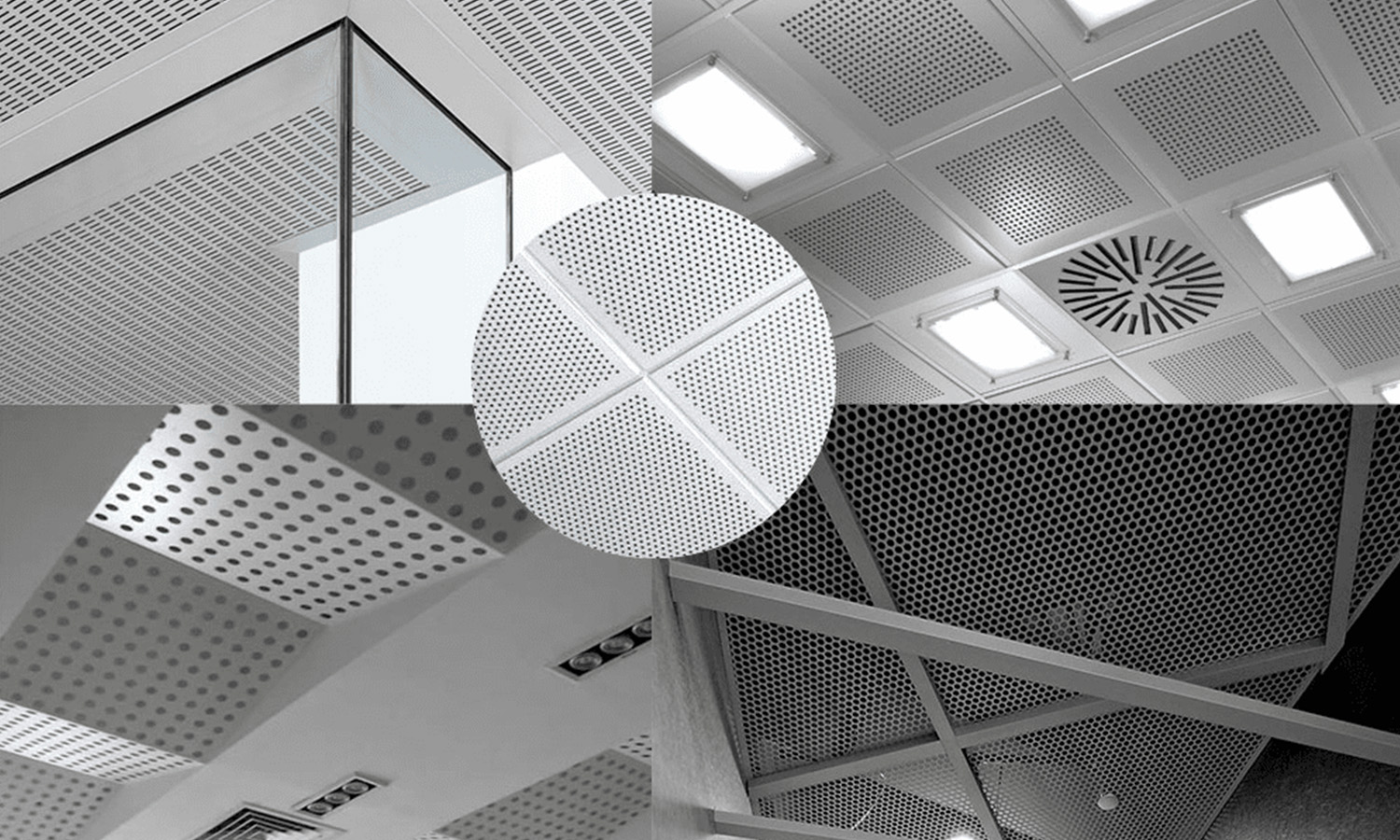
Each NORKA metal ceiling is produced through CNC precision forming, automated coating, and quality-controlled fabrication.
This ensures exact tolerances, perfect edges, and long-term dimensional stability.
Our products are tested for fire safety, corrosion resistance, and mechanical performance, ensuring reliability under all conditions.
NORKA ceilings are more than functional surfaces — they are architectural statements built on engineering mastery.
Innovation in Every Panel. Excellence in Every Detail. With NORKA Metal Ceiling Systems, architecture meets engineering — delivering beauty that lasts and performance that inspires.
These are long linear strips of metal that can be perforated or plain, depending on the space requirement. These incorporate torsion springs to ensure that there is no gap between adjacent strips. Due to their design, they often come with self-healing coatings that can last up to 25 years. Their plain surface and gapless design allow 95% light reflection, brightening up hotel corridors. Moreover, using ga lossy finish can further enhance the brightness. Interior designs can set them along the longer length of the room to improve the length or reduce the impact of long corridors by installing them across the length.
The modern interiors that require an open environment while having the sophistication that speaks art will often feature an open cell ceiling. These are also metal ceiling systems that offer 90% free area grids, typically between 50-200mm cells. These geometric patterns can mask sprinklers while still ensuring efficient spray in case of fire. The ventilation and free air movements have a refreshing impact on visitors or residents, creating a stress-free environment. To enhance comfort, installing acoustic-damping fabric behind the ceiling can result in a quiet environment.

© 2026 NORKA For ceilings solution.
Web Design & Web Development by Creative 4 All s.a.r.l.