NORKA Gypsum Board
Precision. Performance. Perfection.
Precision. Performance. Perfection.
At NORKA, Gypsum board types are among the most commonly used materials in modern construction for ceilings, wall partitions, and interior finishes. Known for their smooth texture, fire resistance, and easy installation, gypsum boards have become a preferred alternative to traditional plaster. Understanding different gypsum board types is essential for selecting the right material for residential, commercial, or industrial projects. This article explains all types of gypsum boards, their uses, benefits, and key differences in simple and human-friendly language.
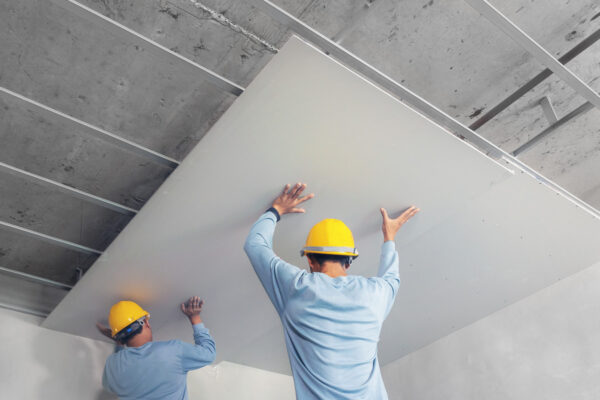
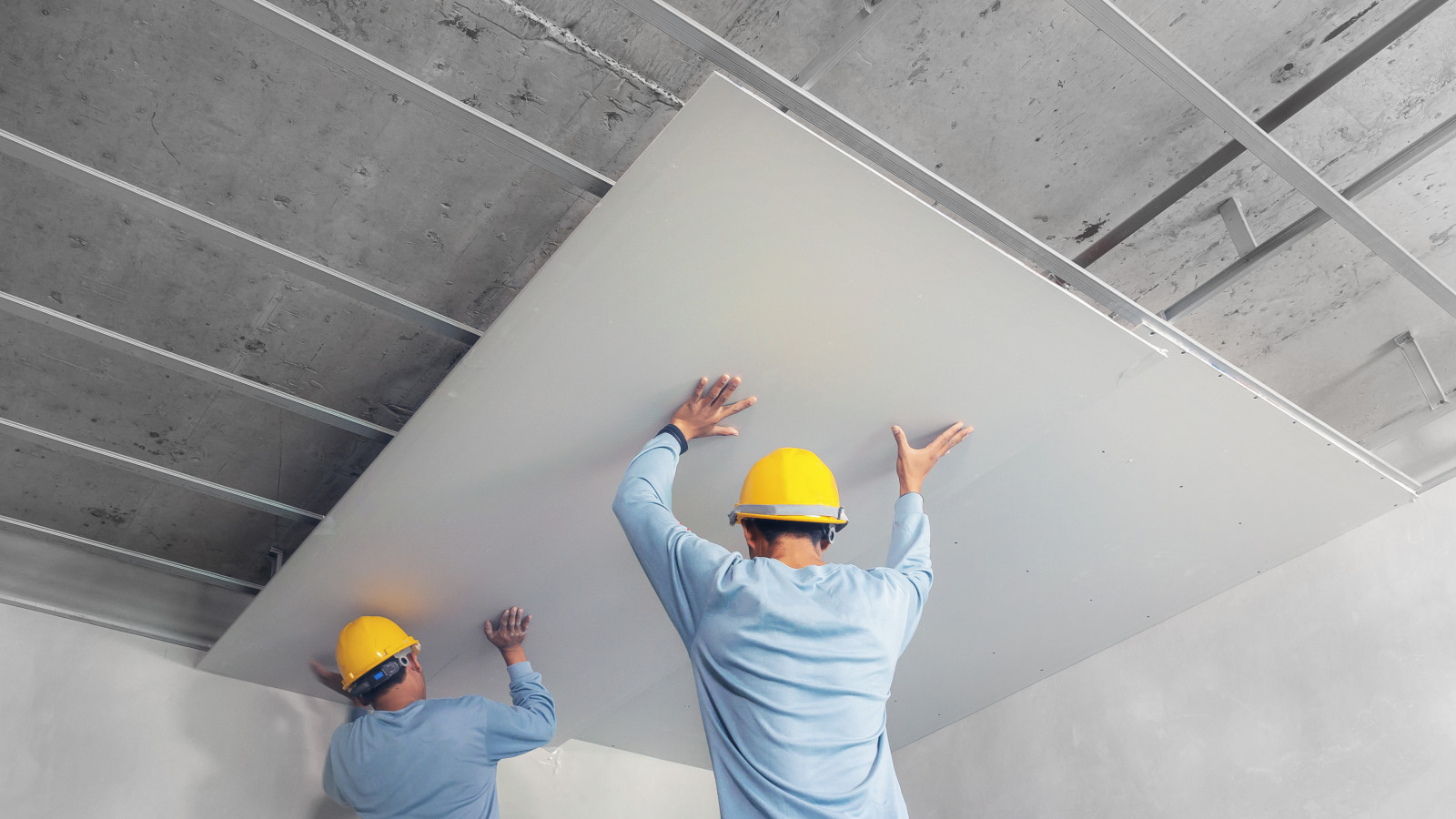
A gypsum board, also known as drywall, plasterboard, or sheetrock, is a flat panel made from a core of gypsum plaster sandwiched between two thick sheets of paper. It provides a smooth surface for painting and finishing and is widely used in interior wall and ceiling applications. Gypsum boards are lightweight, durable, and easy to install, making them ideal for both new constructions and renovations. These boards also help improve acoustic performance and thermal insulation, depending on their type.
Gypsum boards have replaced traditional plaster due to their multiple benefits. They are cost-effective, time-saving, and provide a superior finish. Their use minimizes cracks and ensures faster construction, especially in dry interior systems. Builders and architects prefer them because they:
There are several types of gypsum boards designed for specific purposes. The right selection depends on environmental conditions, usage, and required performance. Let’s explore the main gypsum board types used in construction today.

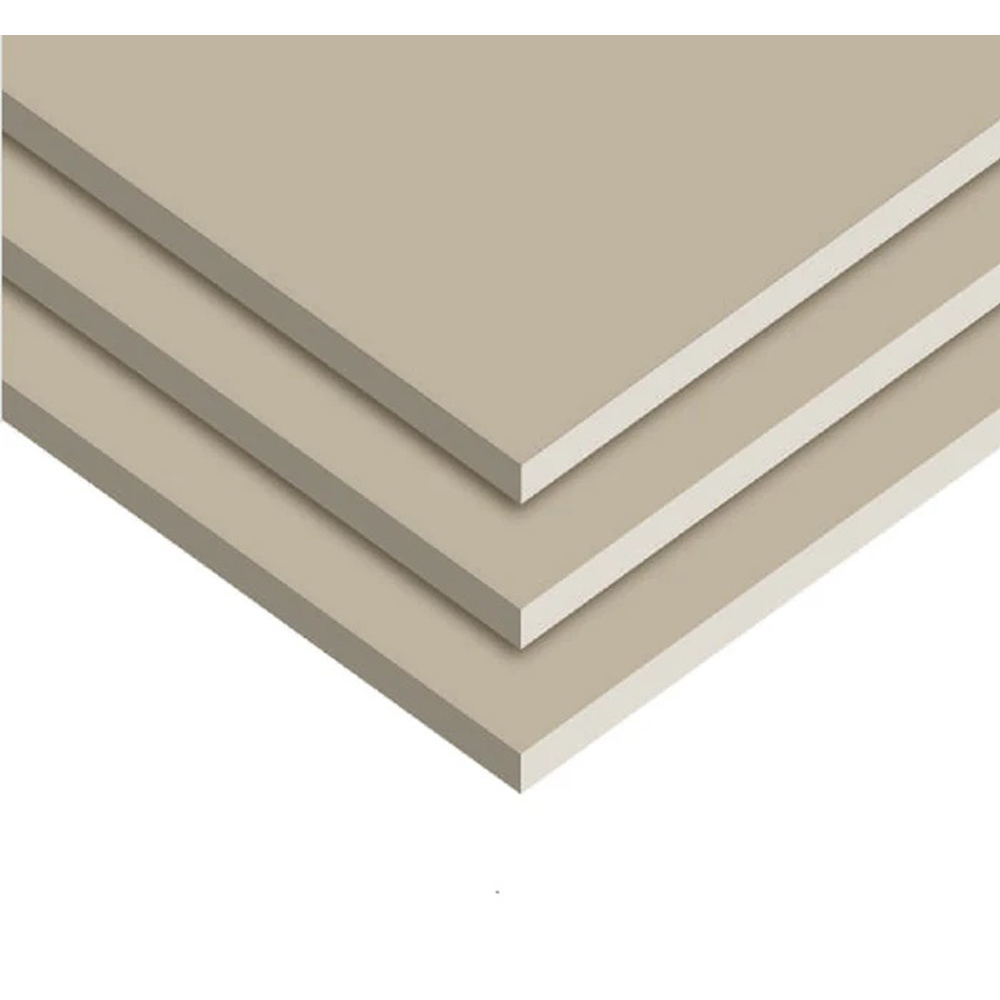
Regular gypsum board, also known as standard drywall, is the most basic and commonly used type. It is primarily used for walls and ceilings in areas where moisture and fire resistance are not required.
Features:
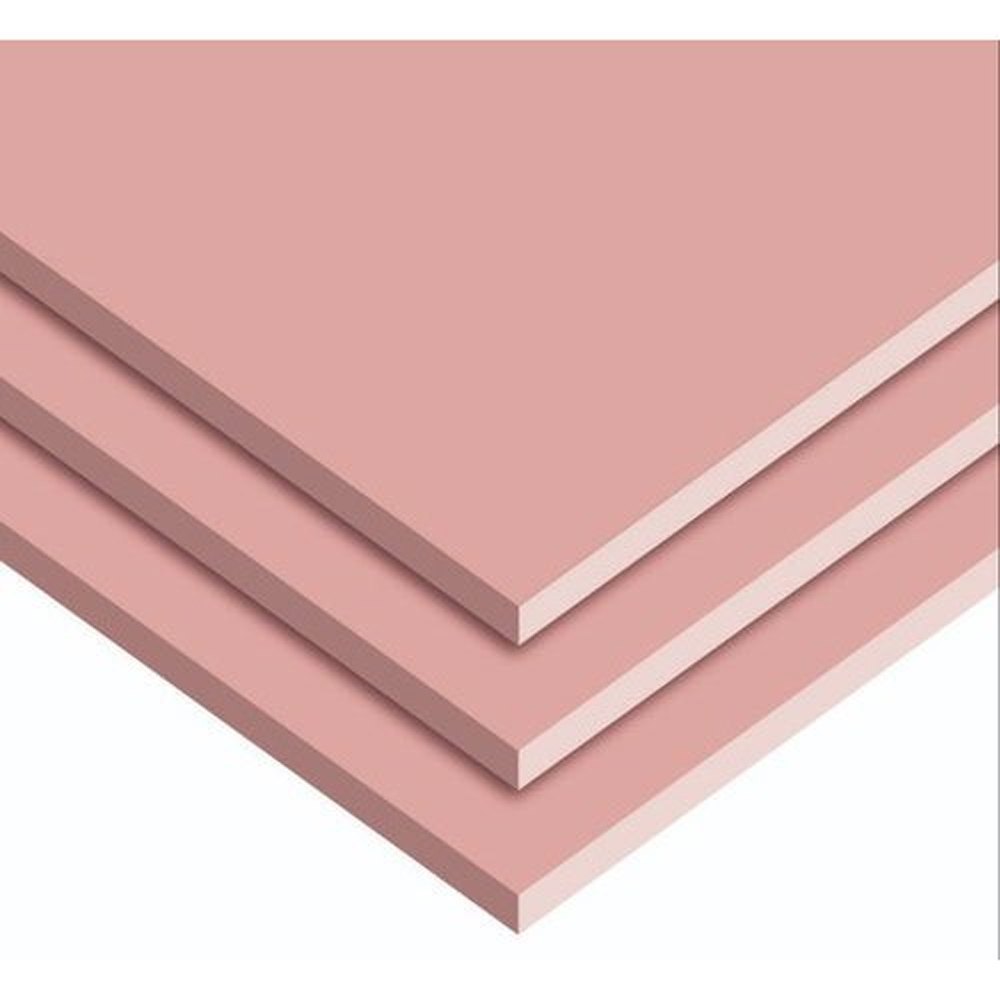
The fire-resistant gypsum board (Type X drywall) contains glass fibers and other non-combustible materials to enhance fire resistance. It is designed to withstand high temperatures and prevent flame spread.
Features:

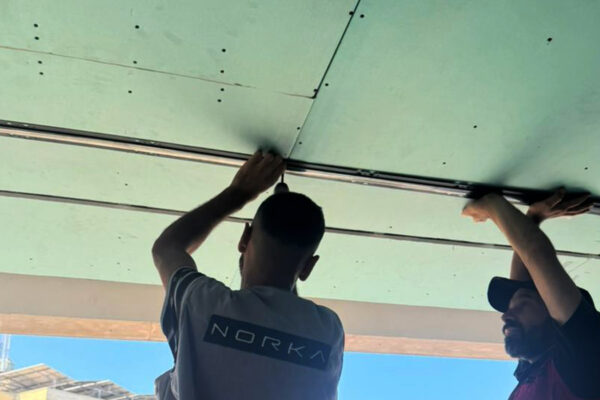
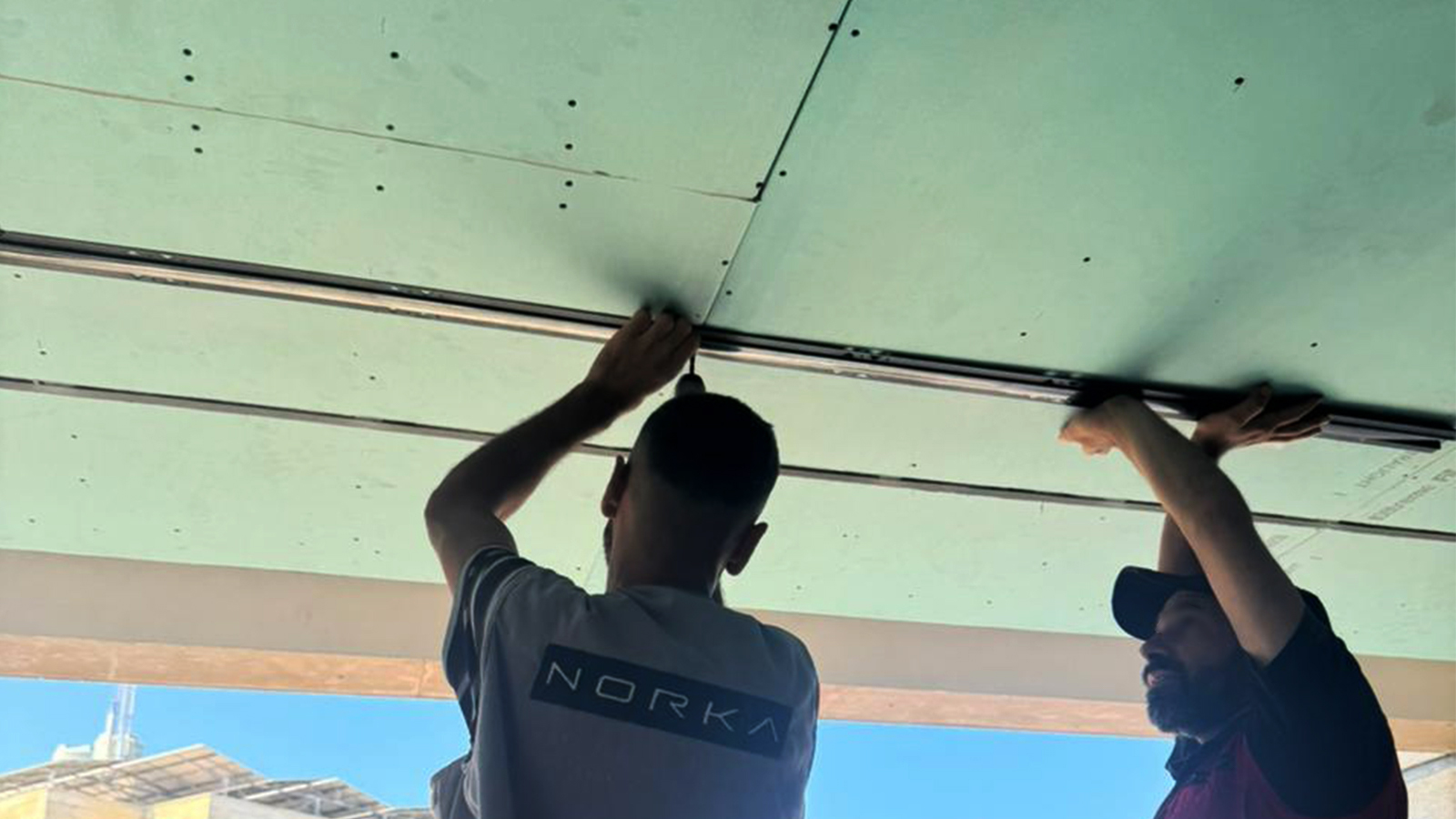
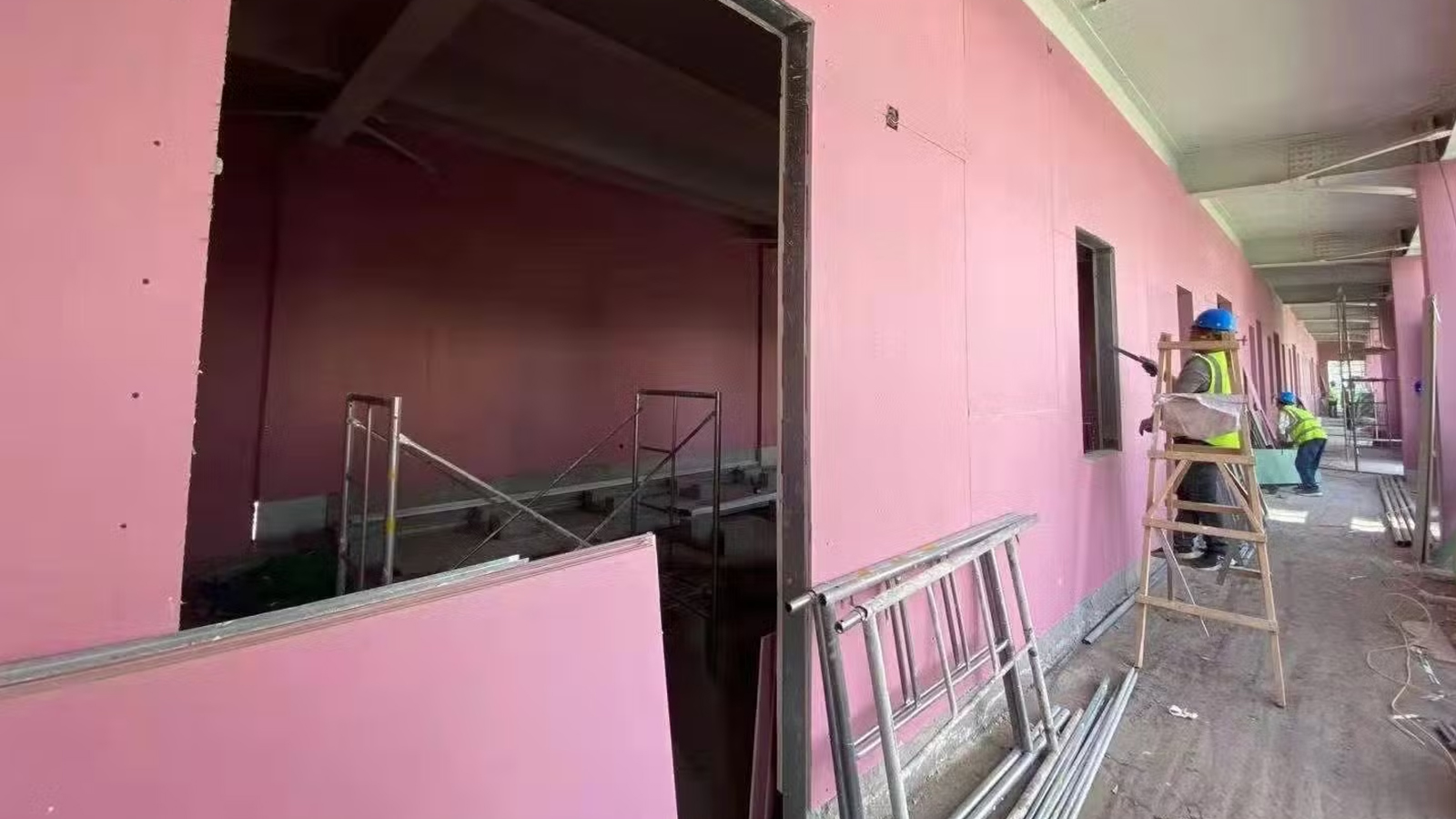
Also called green board, this gypsum board type is treated with water-resistant additives to prevent moisture absorption.
Features:

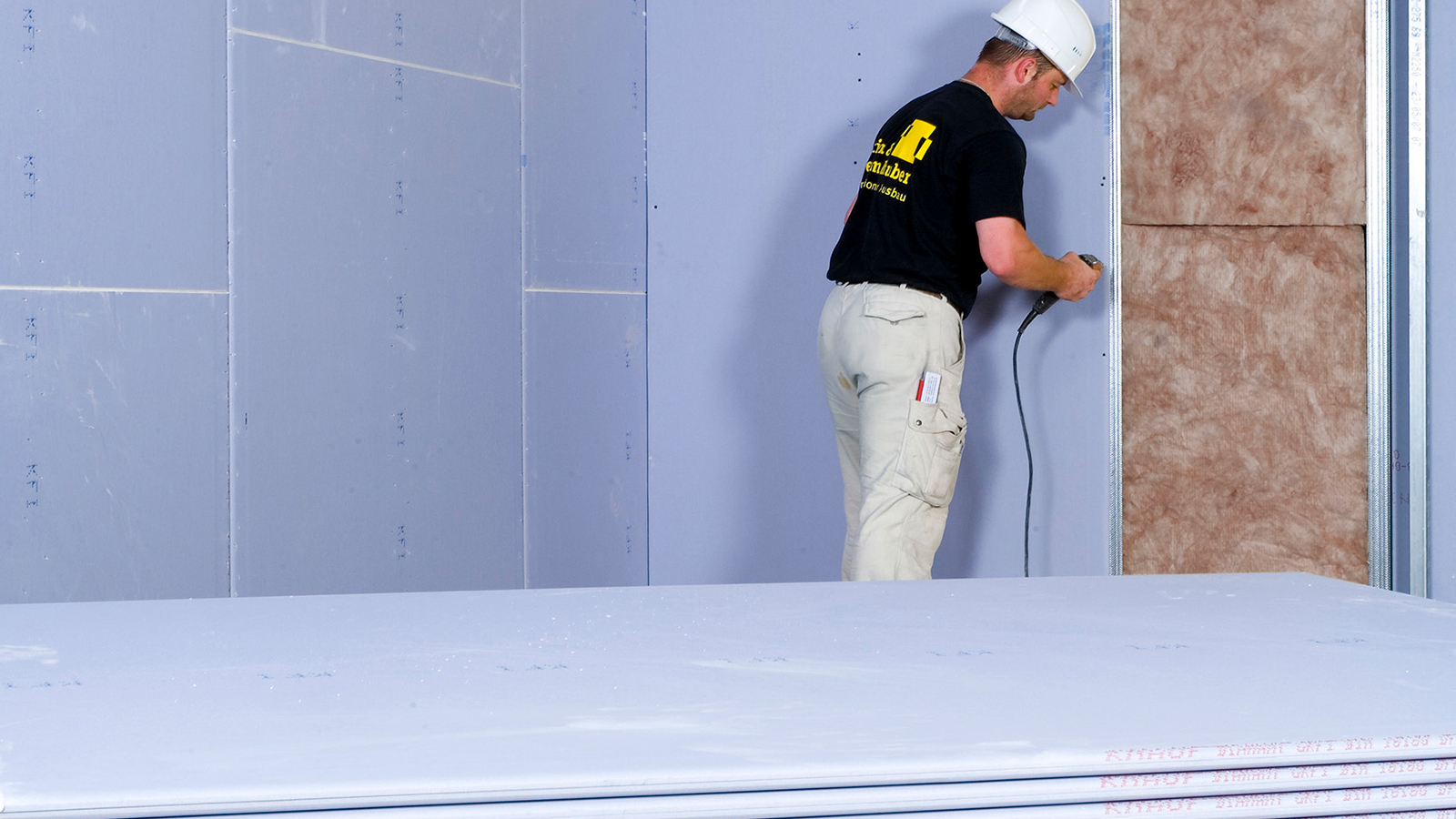
Diamant Board (IR) is a high-performance, impact-resistant gypsum board designed for areas exposed to heavy use, mechanical stress, and frequent contact. It is manufactured with a high-density, fiber-reinforced gypsum core and a hard, durable surface, providing superior strength and resistance to dents, scratches, and surface damage compared to standard gypsum boards.
Features:
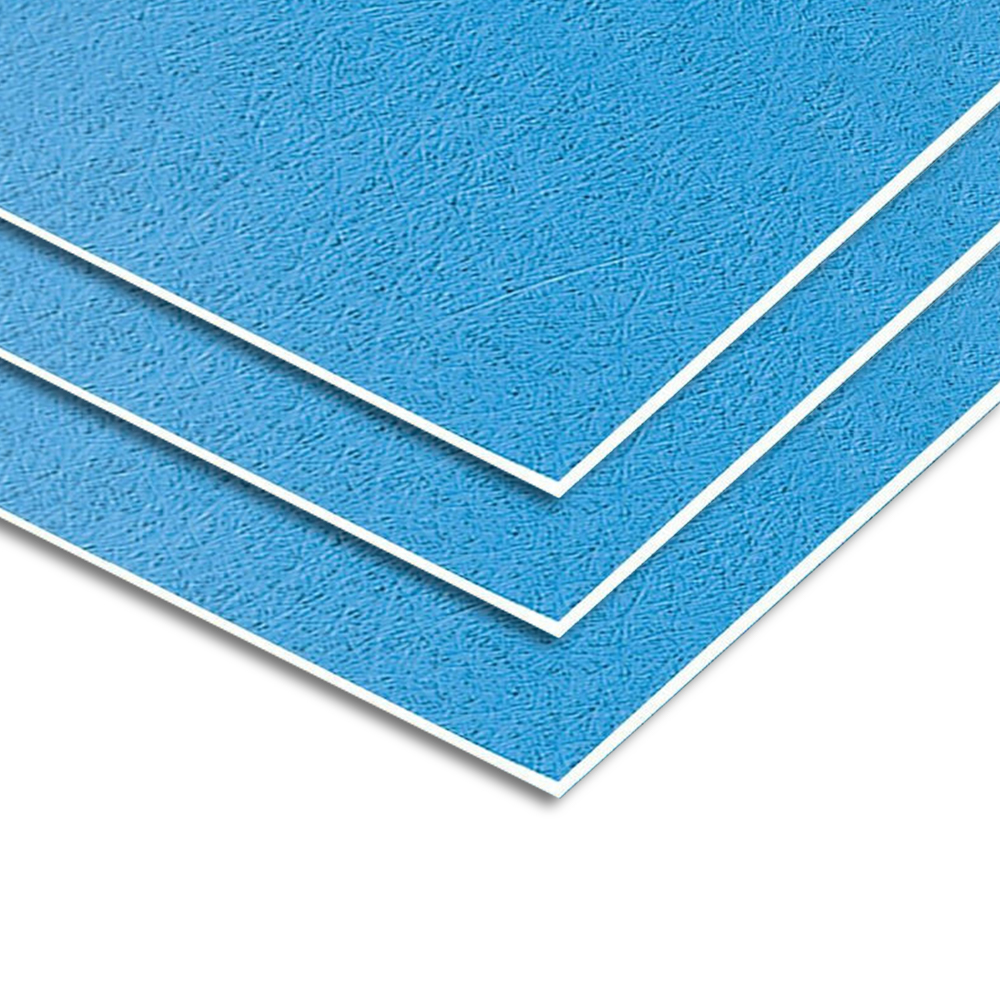
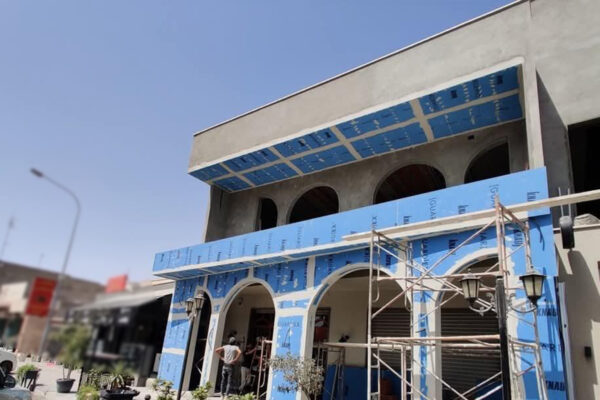
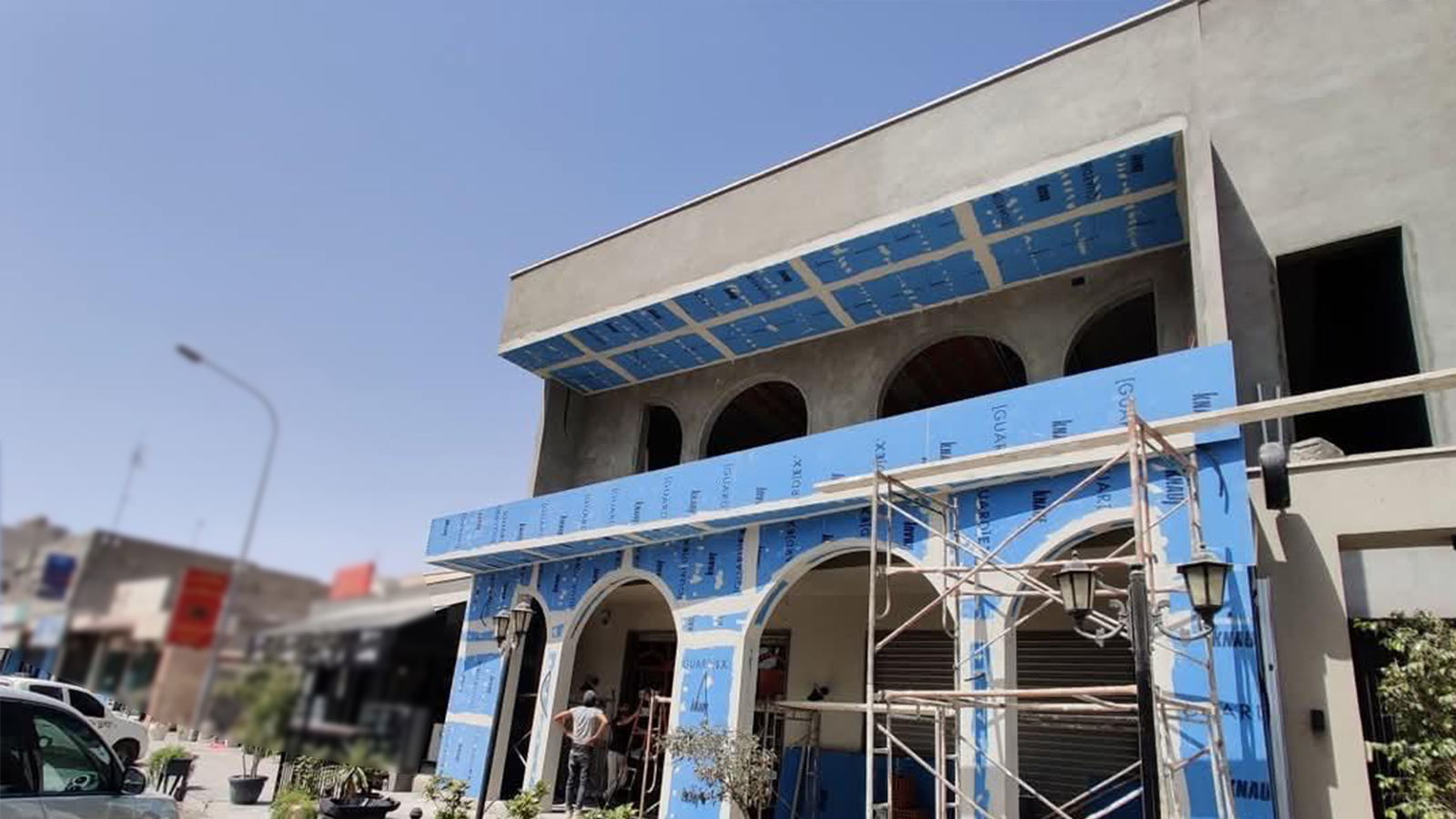
Exterior gypsum sheathing is used as a base layer for exterior walls before applying cladding or siding. It resists moisture and provides strength to external frameworks.
Features:

Cement board is a cement-based building panel made from a mixture of cement, mineral fillers, and reinforcing fibers. Unlike gypsum boards, it offers excellent resistance to moisture, mold, and weather, making it suitable for both interior and exterior applications. Cement board is highly durable and maintains its strength even in wet or humid conditions..
Features:

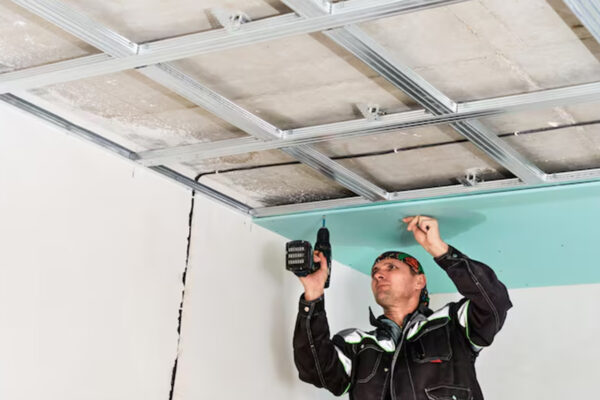
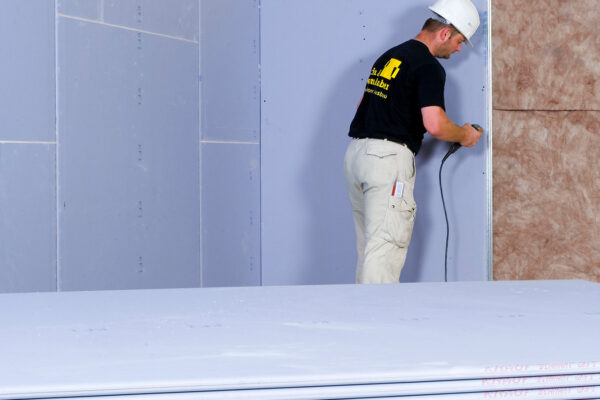
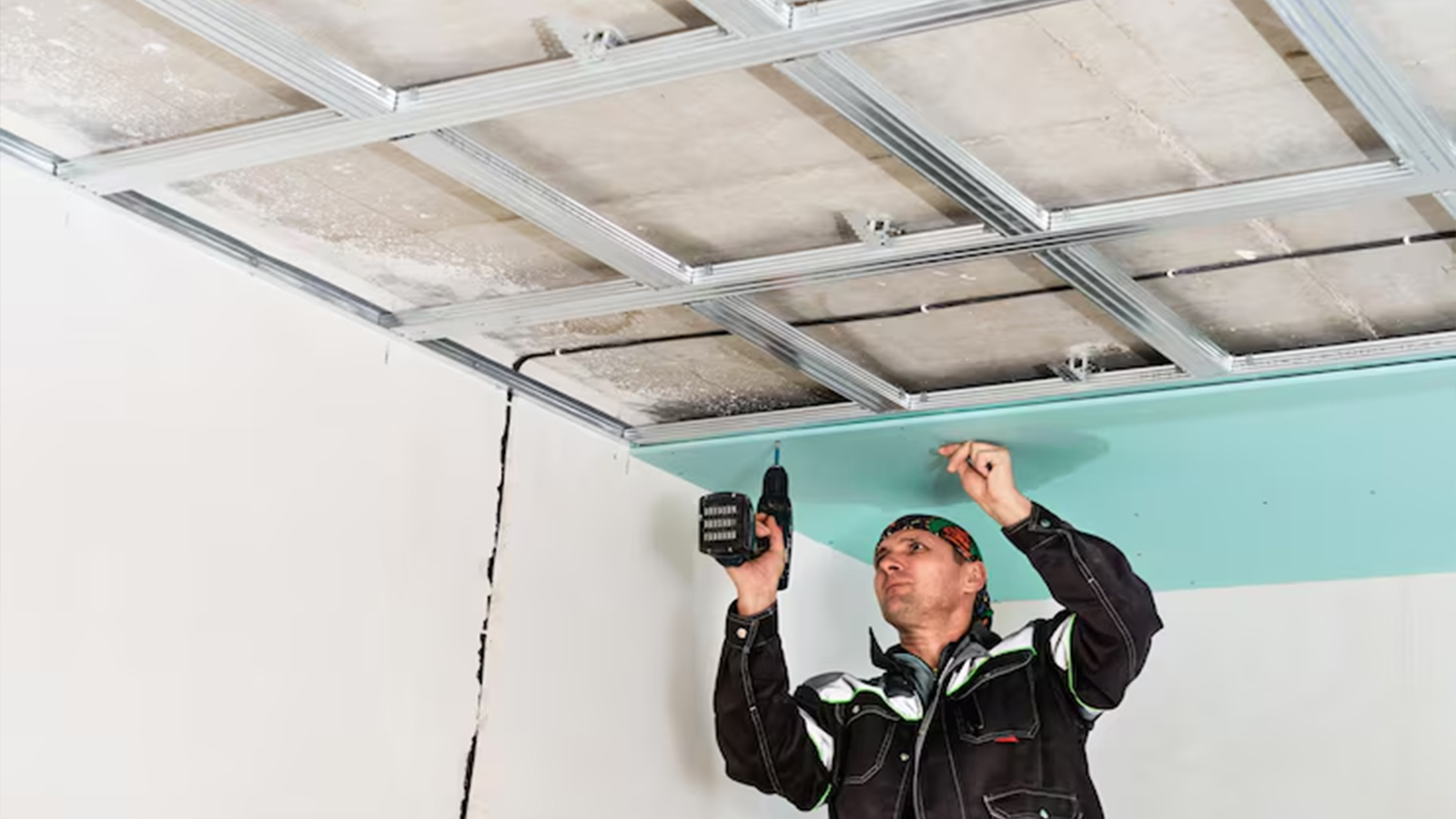
The location and stability of the cladding wall are determined. The line on which the U-profile should be fixed is marked with a pencil. The traces on the floor are brought to the ceiling with the help of pipes and pulled to the ceiling with the help of dyed twine.
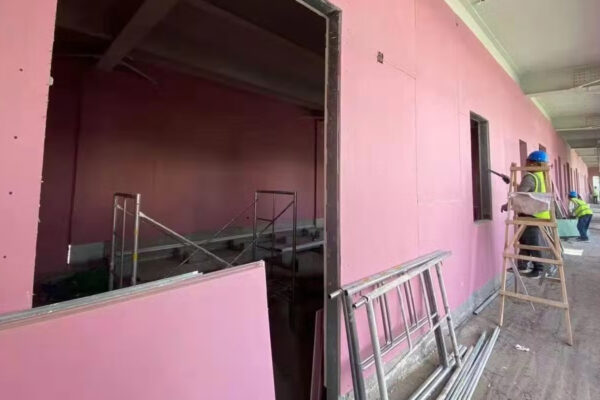
Gypsum boards are used widely across different sectors:
To ensure durability, keep gypsum board dry, avoid heavy impact, and use moisture-resistant boards in humid areas. Regular inspection and repainting can maintain their appearance for years.
1. Which gypsum board type is best for bathrooms?
The moisture-resistant (green board) or moisture & fire-resistant (purple board) types are ideal for bathrooms.
2. Are gypsum boards fireproof?
They are fire-resistant but not completely fireproof. Type X or Type C boards can resist fire for up to two hours.
3. Can gypsum boards be used on exterior walls?
Yes, exterior gypsum sheathing boards are specially designed for that purpose.
4. What is the difference between regular and paperless gypsum boards?
Paperless boards use fiberglass mats instead of paper, making them more durable and mold-resistant.
5. How long does a gypsum board last?
When properly installed and maintained, gypsum boards can last 30–50 years depending on environmental conditions.
Understanding gypsum board types helps you choose the right product for your specific project needs. Whether you need fire safety, moisture protection, or acoustic performance, there’s a gypsum board designed for every purpose. Regular, moisture-resistant, fire-resistant, and soundproof boards each serve a unique role in modern construction. Selecting the right one ensures better durability, cost efficiency, and long-term performance. Investing in the right type of gypsum board means investing in quality, safety, and sustainability for your building.

© 2026 NORKA For ceilings solution.
Web Design & Web Development by Creative 4 All s.a.r.l.